
Why customer understanding, communication psychology, and an outside perspective are valuable precisely where a lot is already being done right.
Those who sell successfully know how to sell. Full stop. Salespeople know their products, their customers, and which arguments land. So why does a successful company continue investing in its sales quality and bring in external expertise to do it? Because professional sales training doesn’t start where something isn’t working. It becomes most interesting where there’s already a lot of competency in place.
Experience is valuable. And it creates habits.
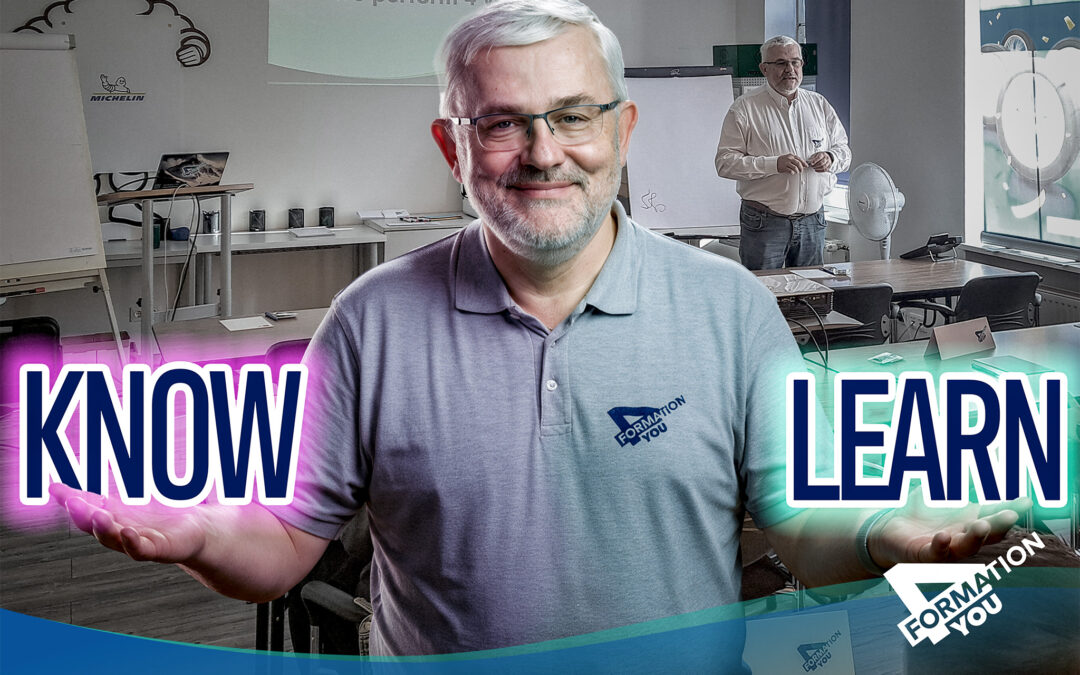
Recently we ran a full-day workshop for franchise partners of an internationally successful company. The focus was on practical customer communication: identifying needs, conducting sales conversations with intent, handling pricing questions with confidence, and drawing on communication psychology in the conversation.
Those who work with customers every day develop experience and a good instinct for recurring situations. But habits develop too. We hear a familiar concern and already have a solution in mind. We recognise an objection and know which argument has worked before. That makes us fast. It also carries the risk of assuming we already know what’s going on — before we really do.
Understanding the customer starts before the answer
One of the most important competencies in sales is therefore surprisingly quiet: customer understanding — not just hearing what someone says, but grasping what they actually mean. Because the same question can come from very different motivations: security, comfort, value for money, quality, or simply the wish to make a good decision without unnecessary complexity.
Those who offer a solution too quickly can argue flawlessly on a technical level and still miss the actual need. What do I need to have understood about the person in front of me before I can make a meaningful recommendation? The more expertise you have, the faster the answers come. But good advising doesn’t only show in knowing the right answer — sometimes it shows in asking one more question. An outside perspective doesn’t replace existing expertise. It expands the view of it: how can I widen my room to manoeuvre in situations I know well?
Shared quality doesn’t require identical conversations
In franchise and partner structures, an additional challenge comes into play. People bring different experiences, personalities, and ways of communicating with customers. At the same time, customers encounter a shared brand — and associate certain expectations with it.
So how does comparable quality in the customer experience come about without forcing people into standardised sales scripts? Not through identical phrasing, but through shared principles: how do we understand needs identification? How do we translate expertise into customer benefit? How do we make recommendations? How do we handle pricing questions?
Shared sales quality doesn’t require identical conversations. It requires a shared understanding of what good advising actually means.
Knowledge alone doesn’t change behaviour
Most experienced salespeople know that open questions are useful, that needs identification matters, and that benefit-led argumentation means more than listing product features. And yet, under time pressure, people tend to do what they always do. That’s why knowledge transfer alone isn’t enough for us. We work with realistic situations, concrete cases, experimentation, reflection, and feedback. Because competency doesn’t show itself in having more options in theory — it shows in using them in a real situation.
Success changes what training needs to deliver.
Then it’s about reflecting on existing competency, questioning habits, and expanding the repertoire of what’s possible. And something else significant happens: learning creates new motivation. Those who discover something new, try it out, and find that it works, want to use it again. Development therefore brings not only more possibilities into the sales conversation, but often new energy into everyday working life.
Let’s take a look together at whether we can give your sales potential some fresh momentum too.